Quality You Can Feel – How to Recognize the Best Materials in Men’s Clothing

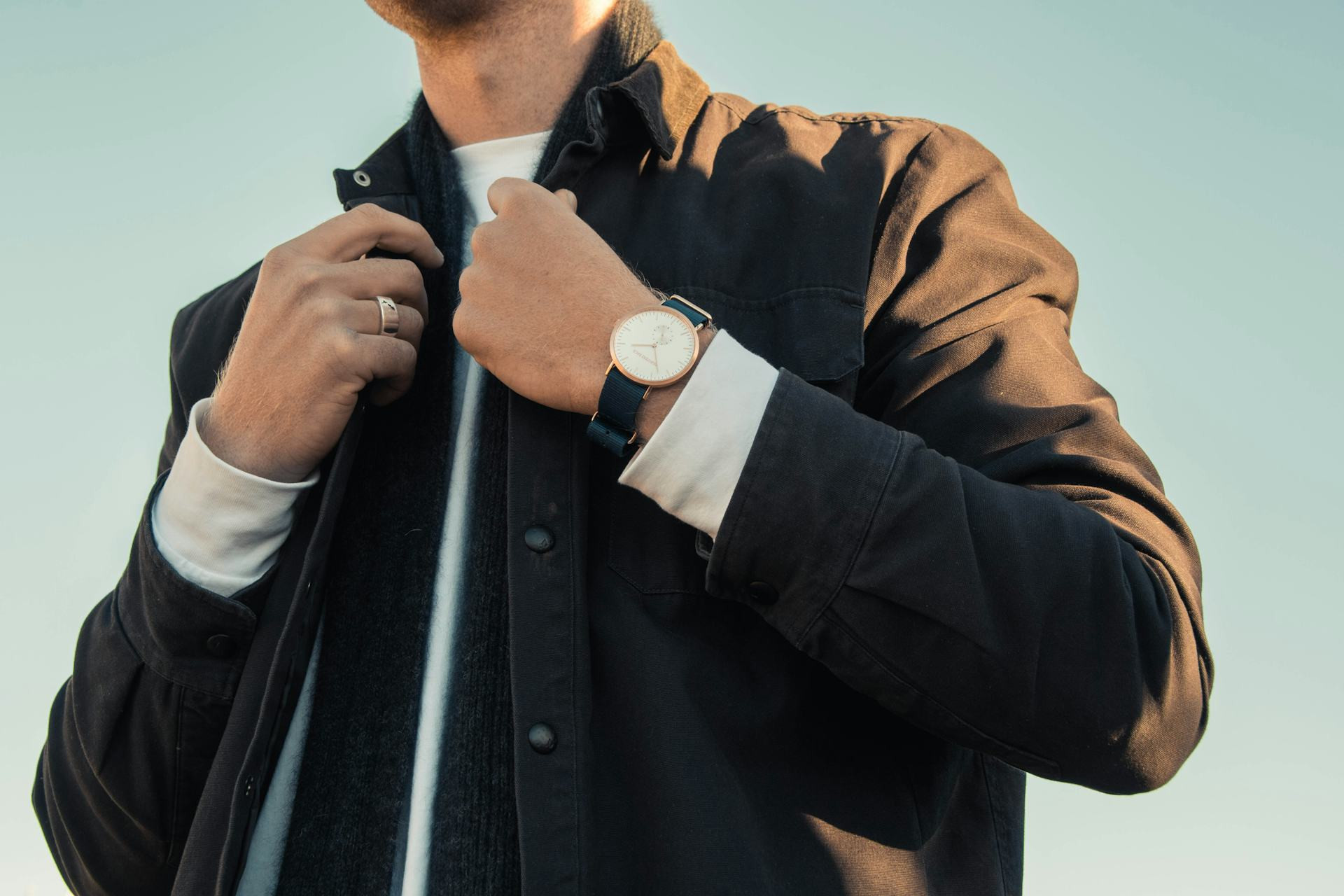
Quality You Can Feel – How to Recognize the Best Materials in Men’s Clothing
When you pick up a shirt, jacket, or pair of pants, it’s not always easy to tell whether the quality matches the price. But the fabric often reveals more than you think. The best materials don’t just look good—they feel better, last longer, and age gracefully. This guide will help you recognize quality in men’s clothing and know what to look for when you want to invest in pieces that truly stand the test of time.
Wool, Cotton, and Linen – Natural Fibers with Character
The foundation of quality menswear still lies in natural fibers. Each has its own strengths, making it ideal for different garments and seasons.
- Wool is the king of versatility. It insulates, breathes, and resists wrinkles. In suits and outerwear, pure wool offers a natural sheen and structure that synthetics rarely match. Look for terms like merino wool or Super 100–150, which indicate the fineness of the fibers. American brands often highlight these numbers to signal premium quality.
- Cotton is durable, breathable, and comfortable against the skin. For shirts and chinos, tightly woven cotton—such as poplin, twill, or oxford—is a hallmark of quality. The denser the weave, the better the shape retention and longevity. U.S. cotton, especially from regions like the South, is known for its softness and strength.
- Linen is light, airy, and perfect for warm weather. It wrinkles naturally, but that’s part of its charm. A pure linen fabric feels cool to the touch and has a matte, textured surface that becomes even more beautiful with wear. It’s a summer staple from coastal California to the Carolinas.
Synthetic Fibers – When Used with Intention
Synthetic materials like polyester, nylon, and elastane often get a bad reputation, but when used thoughtfully, they can enhance performance. A touch of elastane in pants adds stretch and comfort, while a bit of polyester in a wool blend can improve durability and water resistance.
The key is balance. If a suit or jacket contains more than 20–30% synthetic fibers, it may compromise comfort and breathability. Always check the care label—it tells you exactly what the fabric is made of and how to care for it.
Trust Your Hands – The Feel Test
One of the best tools for judging quality is your own sense of touch. A good fabric feels alive, not stiff or plastic-like. When you gently squeeze it, it should spring back naturally without feeling brittle.
Hold the fabric up to the light: a tightly woven material will let through very little light, while a thin, loosely woven one may appear almost transparent—a sign of lower quality. Your hands rarely lie.
Stitching, Buttons, and Details
Even the finest fabric can be ruined by poor construction. Pay attention to the details:
- Stitching should be even and tight, with no loose threads. On shirts, double stitching is a good indicator of durability.
- Buttons made from mother-of-pearl, horn, or metal last longer and add a refined touch compared to plastic ones.
- Linings and edges in jackets should lie flat and smooth—this shows precision tailoring.
Small details like hand-sewn buttonholes or reinforced seams often signal that the garment was made with care and craftsmanship.
Fit and Drape – Quality in Motion
Quality isn’t just about fabric—it’s also about how the garment moves with you. A well-made wool suit drapes naturally and follows your body’s lines without pulling or bunching. A fine cotton shirt should feel soft and flexible, not stiff or papery.
Always try clothing on and move around in it. If it feels comfortable and looks good from every angle, that’s a strong sign of both good material and skilled construction.
Care and Maintenance – Preserving Quality
Even the best materials need proper care. Wool should be aired out rather than washed too often, and cotton keeps its shape better when washed in cool water. Use sturdy hangers that support the shoulders, and fold pants carefully to avoid permanent creases.
A high-quality garment can last for years if you treat it well—and that’s what makes it a true investment.
Læs også:

Quality Is a Feeling—and a Mindset
Choosing quality isn’t just about spending more; it’s about being intentional. When you learn to recognize and feel the difference between materials, you build a wardrobe that looks better, feels better, and lasts longer. It’s clothing that ages with character—and reflects an appreciation for craftsmanship, comfort, and timeless style.
Læs også: