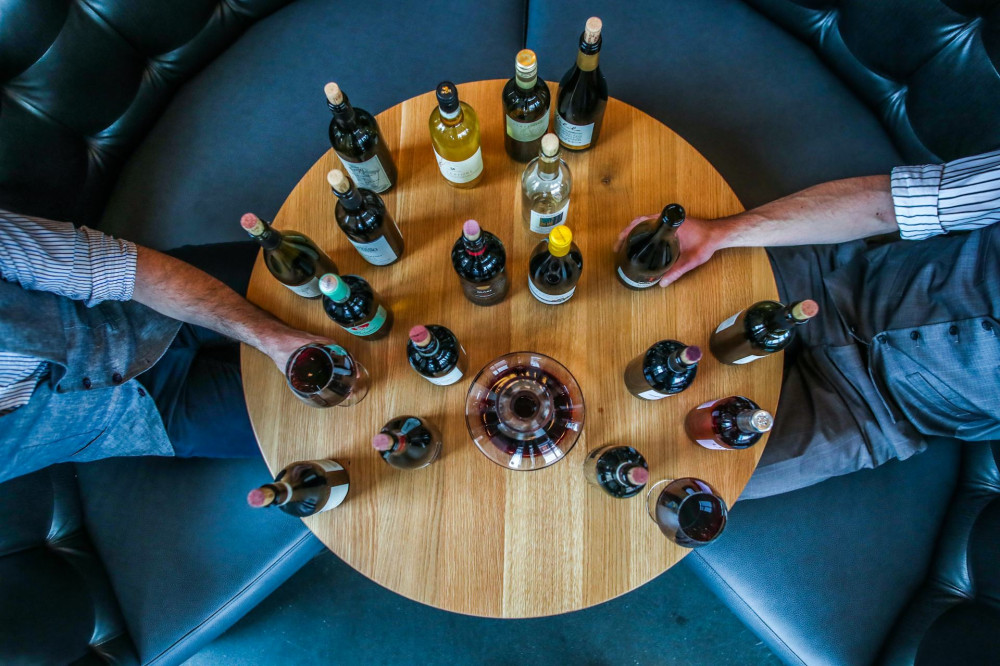
Tasting at Home – How to Turn Beer, Whiskey, and Coffee into an Experience

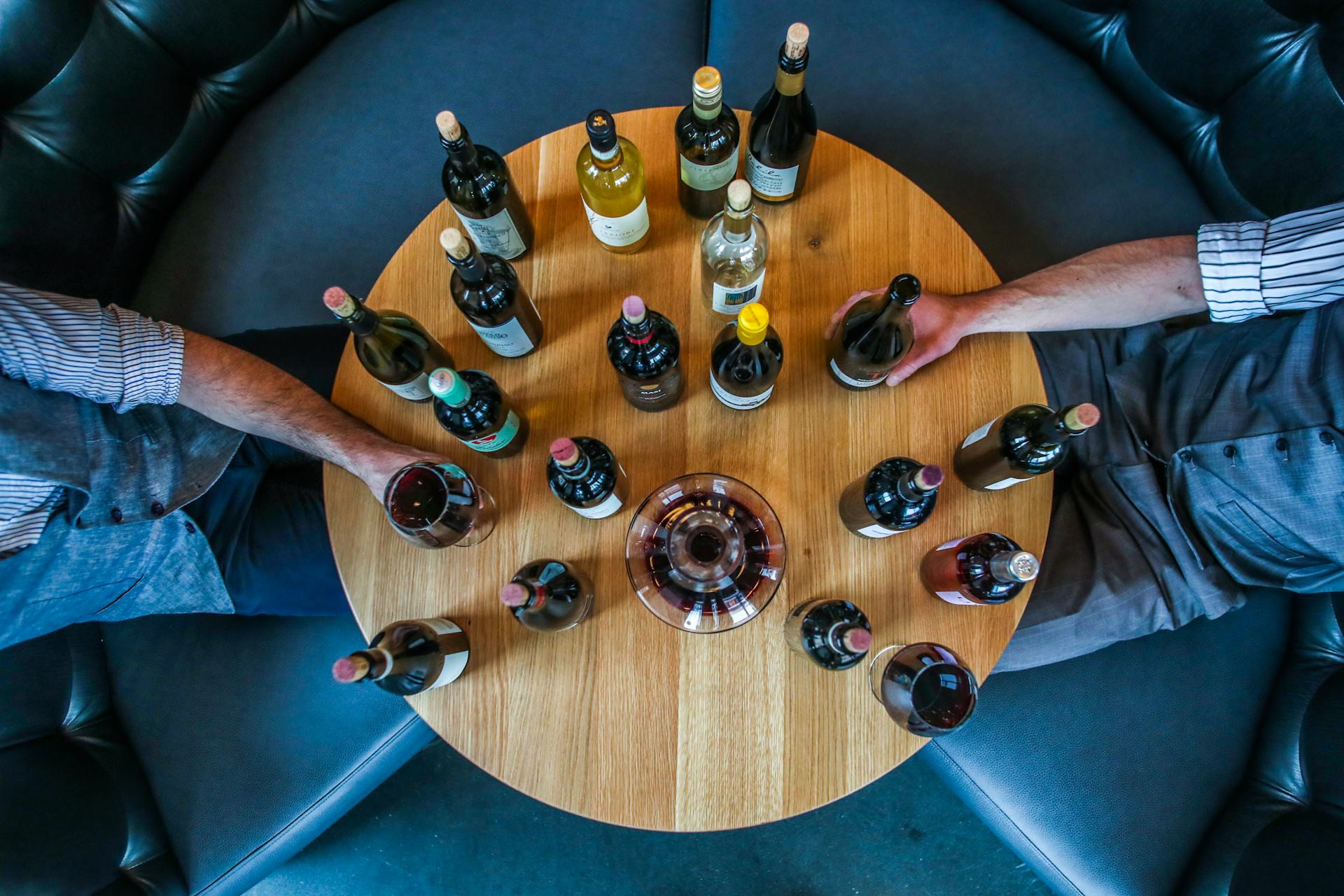
Tasting at Home – How to Turn Beer, Whiskey, and Coffee into an Experience
Tasting isn’t just about drinking – it’s about discovering. A beer, a whiskey, or a cup of coffee can tell a story of craftsmanship, ingredients, and tradition if you take the time to listen with your senses. You don’t need a professional setup to enjoy a great tasting. With a little preparation, you can create a cozy, educational experience right in your own home. Here’s how to get started.
Set the Scene
A good tasting begins with the right atmosphere. Turn off the TV, dim the lights, and clear a table with enough space for glasses and notes. Put your phone away and make it a moment to be fully present.
Invite a few friends, but keep the group small – four to six people is ideal so everyone can share their impressions. Have water and some plain crackers or bread on hand to cleanse your palate between tastings, and use a separate glass for each type of drink.
Beer Tasting – From Bright Hops to Dark Malt
Beer is far more diverse than most people realize. A tasting can reveal just how wide the spectrum is – from crisp lagers and citrusy IPAs to rich porters and stouts.
Start with lighter, more refreshing beers and move toward darker, stronger ones. This helps your palate adjust gradually without being overwhelmed.
Notice the color, aroma, and foam. Take small sips and try to describe what you taste: citrus, caramel, coffee, bread, flowers? There are no wrong answers – the goal is to become more aware of what you’re experiencing.
A fun approach is to choose beers from the same brewery in different styles, or from different breweries within the same style. It makes comparisons easier and more meaningful.
Whiskey Tasting – Savor the Complexity
Whiskey invites patience and attention. It’s about letting aroma and flavor unfold slowly.
Select three to five whiskeys with different origins – for example, a Kentucky bourbon, a Tennessee whiskey, and a Scotch single malt. Pour small amounts into tulip-shaped glasses that concentrate the aroma.
Start by smelling before you taste. What do you notice? Smoke, vanilla, fruit, oak? Then take a small sip and let it roll across your tongue. You can add a few drops of water to open up the flavors.
Take notes as you go – it helps you remember what you liked best and why.
Coffee Tasting – Seeing the Everyday Cup in a New Light
Coffee is something most of us drink daily, but rarely taste consciously. A coffee tasting can reveal how much variety there is in beans, roast levels, and brewing methods.
Choose three different coffees – for example, a light roast from Ethiopia, a medium roast from Colombia, and a dark roast from Sumatra. Brew them the same way so the differences come from the beans, not the equipment.
Smell the coffee before you sip. Take small tastes and pay attention to acidity, sweetness, and aftertaste. Some coffees have notes of berries, chocolate, or nuts – try to put words to what you sense.
To make it more fun, try a blind tasting where participants don’t know which coffee they’re drinking. It sharpens the senses and sparks great conversation.
Læs også:



Make It a Social Experience
Tasting isn’t just about analysis – it’s about sharing. Talk about what each person tastes and how you experience the differences. It’s fascinating how differently people can perceive the same drink.
You can also pair your tasting with food: cheese or charcuterie with beer, dark chocolate with whiskey, or small pastries with coffee. It adds new dimensions and makes the evening more enjoyable.
Getting Started
- Pick a theme: Focus on one category at a time – beer, whiskey, or coffee – so your palate doesn’t get confused.
- Buy small quantities: Many craft breweries, distilleries, and roasters offer sampler packs or mini bottles, perfect for tasting without overspending.
- Take notes: Use a simple sheet with sections for aroma, flavor, and finish. It helps structure the experience.
- End with a favorite: Have everyone choose their top pick and explain why – it’s a great way to wrap up the session.
An Experience That Lasts
Once you’ve tried mindful tasting, you’ll notice it changes how you enjoy your drinks. You start picking up details you never noticed before, and every glass or cup becomes a little richer in meaning.
Tasting at home doesn’t require much – just curiosity, time, and a willingness to explore. And maybe that’s what makes it so rewarding: finding something extraordinary in the everyday.
Læs også: