Zoos in Transition: How They Create More Natural Environments and Promote Awareness of Species Conservation

Zoos in Transition: How They Create More Natural Environments and Promote Awareness of Species Conservation
Across the United States, zoos have undergone a remarkable transformation over the past few decades. Once known primarily as places to view exotic animals behind bars, modern zoos now focus on creating immersive, naturalistic habitats and inspiring visitors to care about wildlife conservation. They have become centers for education, research, and environmental stewardship—places where entertainment and ethics meet.
From Cages to Ecosystems
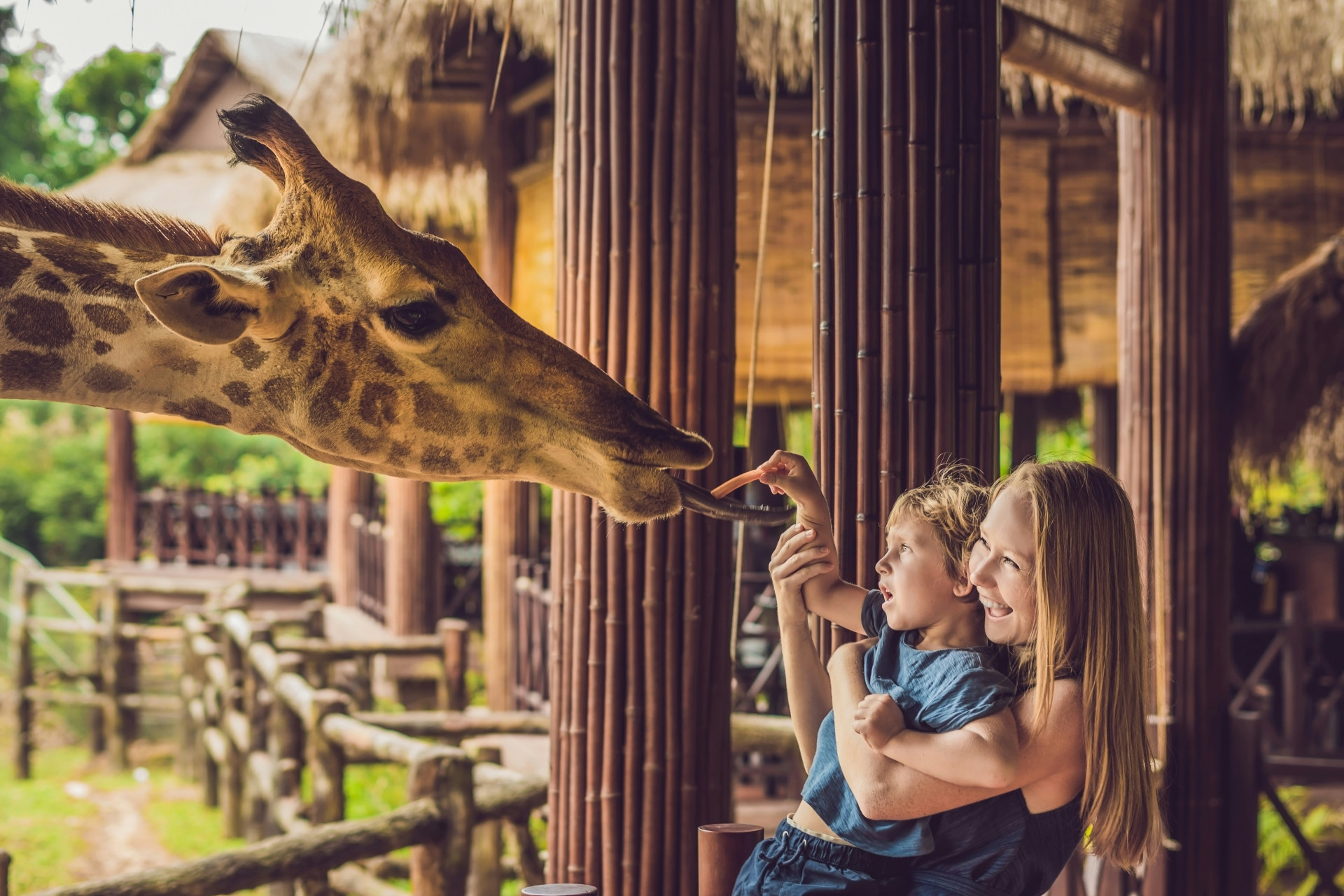
One of the most visible changes in American zoos is the design of animal habitats. The traditional cages and concrete enclosures of the past have largely been replaced by expansive, carefully designed landscapes that mimic the animals’ native environments. At the San Diego Zoo Safari Park, for example, visitors can watch herds of antelope and giraffes roam across open savannas, while at the Bronx Zoo, lush forest habitats recreate the ecosystems of Asia and Africa.
These changes are not just aesthetic. They are rooted in animal welfare science. By providing space and complexity, zoos allow animals to express natural behaviors—hunting, foraging, climbing, or socializing—which reduces stress and improves overall health. For visitors, this approach offers a more authentic and meaningful experience, one that fosters empathy and understanding of how animals live in the wild.
Experiences with Purpose
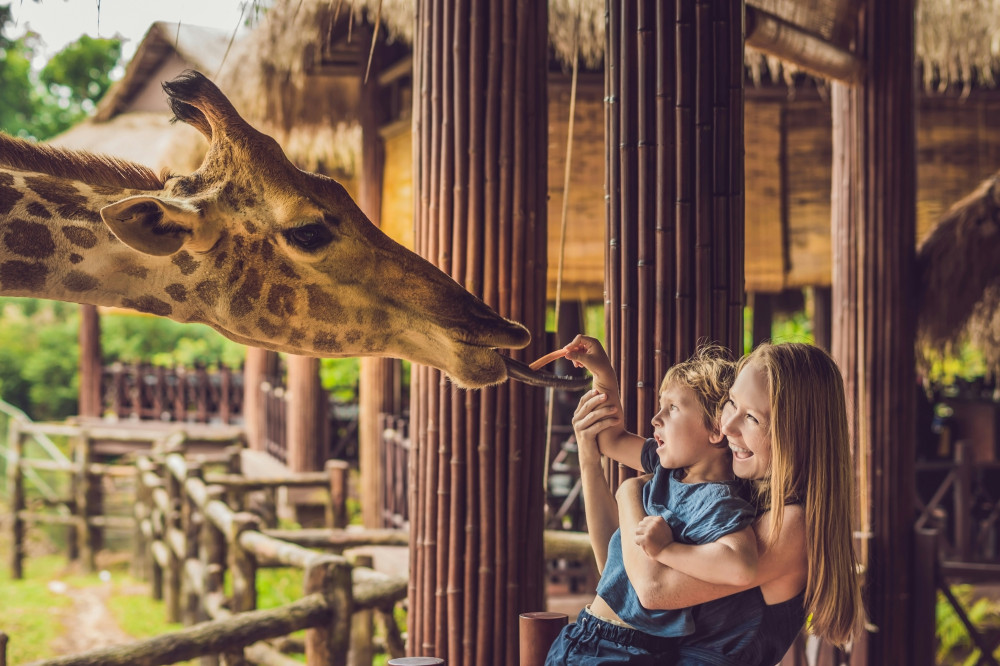
Today’s zoos are more than recreational destinations; they are educational institutions. Many offer behind-the-scenes tours, interactive exhibits, and digital learning tools that help visitors grasp the challenges facing wildlife around the world. Feeding demonstrations are often paired with talks about species’ diets, habitats, and conservation status.
At the Smithsonian’s National Zoo in Washington, D.C., for instance, guests can learn about the zoo’s role in breeding endangered species such as the black-footed ferret and the Panamanian golden frog. These programs show how zoos contribute directly to global conservation efforts, helping to rebuild populations that might otherwise disappear.
Research and Global Collaboration
Behind the scenes, American zoos are deeply involved in scientific research and international partnerships. Through organizations like the Association of Zoos and Aquariums (AZA), they participate in Species Survival Plans that coordinate breeding programs across institutions to maintain genetic diversity and strengthen endangered populations.
Zoos also contribute valuable data on animal behavior, health, and environmental adaptation—information that supports conservation projects in the wild. This collaboration extends beyond national borders, linking U.S. zoos with field researchers and wildlife reserves around the world. In this way, the work done within zoo boundaries has a global impact.
Læs også:



Sustainability as a Core Value
Modern zoos are also embracing sustainability in their operations. Many have implemented green building practices, renewable energy systems, and waste reduction programs. Cafés and restaurants increasingly serve locally sourced, eco-friendly food, and educational signage encourages visitors to make environmentally responsible choices in their own lives.
For example, the Oregon Zoo in Portland has invested in solar power and water conservation systems, while also engaging the community in local habitat restoration projects. These initiatives show that conservation begins not only with protecting animals but also with rethinking how we live on the planet.
A New Generation of Zoos
The evolution of zoos in the United States reflects a broader cultural shift toward environmental awareness and ethical responsibility. The focus is no longer on simply “seeing animals,” but on understanding them and the ecosystems they depend on. For families, a trip to the zoo has become both an enjoyable outing and an opportunity to reflect on humanity’s relationship with nature.
As zoos continue to evolve—becoming more naturalistic, educational, and sustainable—they are emerging as vital voices in the global effort to preserve biodiversity. In doing so, they remind us that the future of wildlife depends not only on what happens in the wild, but also on the choices we make every day.
Læs også: