Movement at Work: Simple Habits That Boost Energy and the Workplace Environment

Movement at Work: Simple Habits That Boost Energy and the Workplace Environment
Many of us spend most of the workday sitting in front of a screen. Hours pass, and before we know it, our bodies feel stiff and our focus starts to fade. But small bursts of movement throughout the day can make a big difference—not only for physical health, but also for energy, mood, and teamwork. Here’s how you can bring more movement into your workday without losing productivity.
Why Movement Matters
Our bodies are designed to move. When we sit for long periods, blood circulation slows, muscles tighten, and the brain gets less oxygen. This can lead to fatigue, headaches, and reduced concentration. On the other hand, research shows that even short breaks for movement can increase productivity and reduce stress.
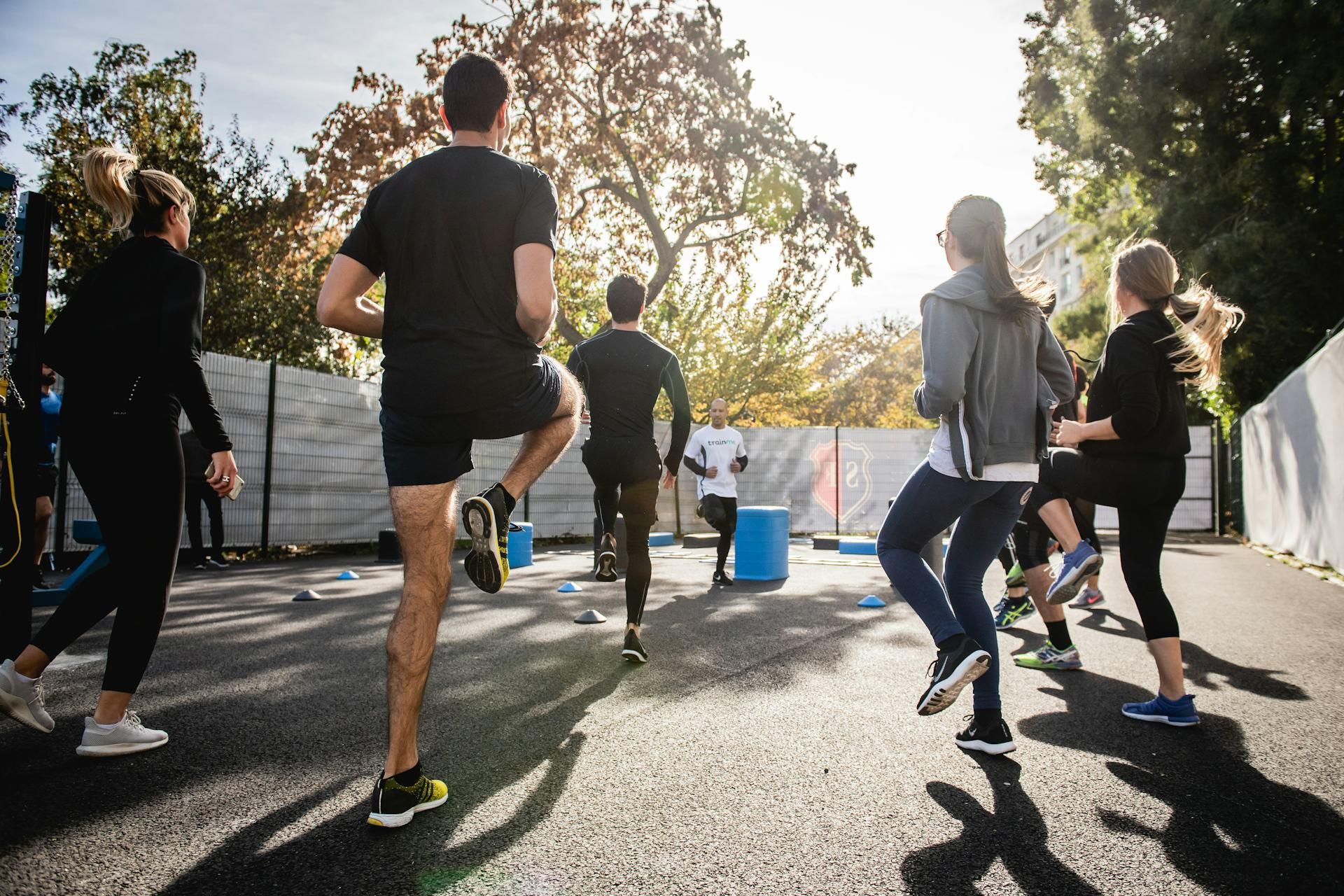
Movement doesn’t have to mean a full workout. It can be as simple as standing up, stretching, walking to a colleague’s desk, or taking the stairs. The key is to break up long periods of sitting and give your body some variety.
Small Habits with Big Impact
Adding more movement to your day doesn’t require major changes. Often, it’s the small, consistent actions that make the biggest difference.
- Start your day with a stretch. Take a few minutes when you arrive to loosen your shoulders and neck. It wakes up your body and signals that you’re ready to start the day.
- Try walking meetings. If your meeting doesn’t require a screen, take it outside or around the office. Walking can spark creativity and make conversations more dynamic.
- Stand when you can. Use a sit-stand desk or stand during phone calls. It boosts circulation and helps maintain energy levels.
- Take microbreaks. Every half hour, stand up, roll your shoulders, or take a few deep breaths. It takes less than a minute but can make a noticeable difference.
- Use the stairs. The classic advice still works. A few flights of stairs can give you a quick energy boost and a mental reset.
When movement becomes a natural part of your day, it stops feeling like a chore and starts feeling like a way to stay focused and energized.
Build a Culture That Encourages Movement
One of the biggest barriers to moving more at work is culture. Many employees feel they need to stay at their desks to appear productive. But movement and efficiency go hand in hand—and it starts with leadership setting the tone.
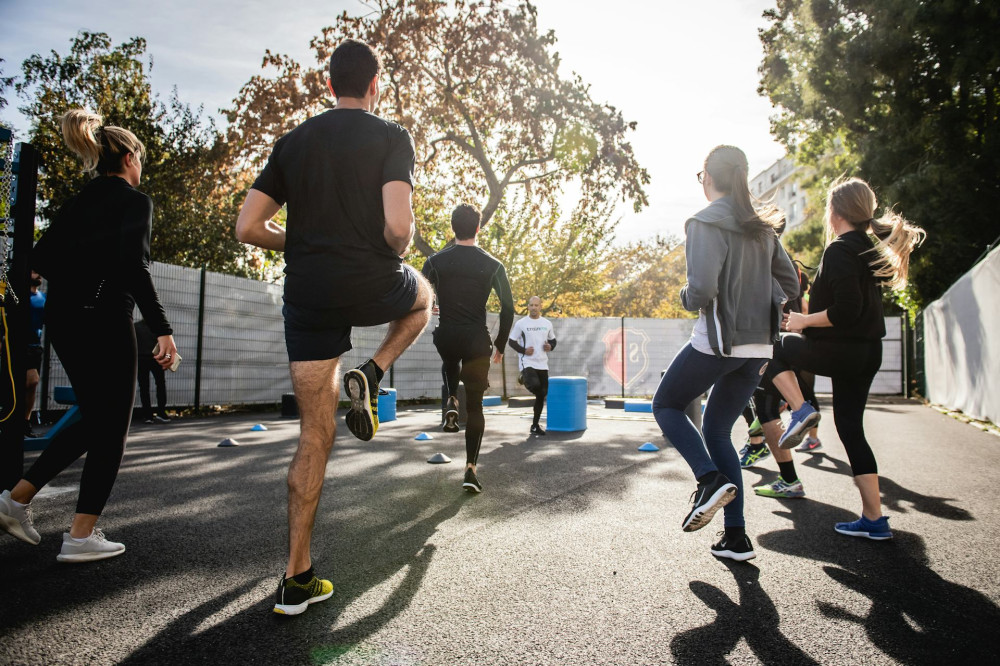
Companies that encourage movement often see fewer sick days and higher morale. It can be as simple as scheduling short stretch breaks, organizing step challenges, or hosting weekly group walks during lunch.
When movement becomes part of the workplace culture, it strengthens not only physical health but also the sense of community among coworkers.
Design the Workspace for Movement
The physical environment can either support or discourage movement. Consider how your workspace is set up:
- Is the printer located far enough away that you have to get up to use it?
- Are there areas where people can stand or move during meetings?
- Is there space to stretch or take a quick walk indoors?
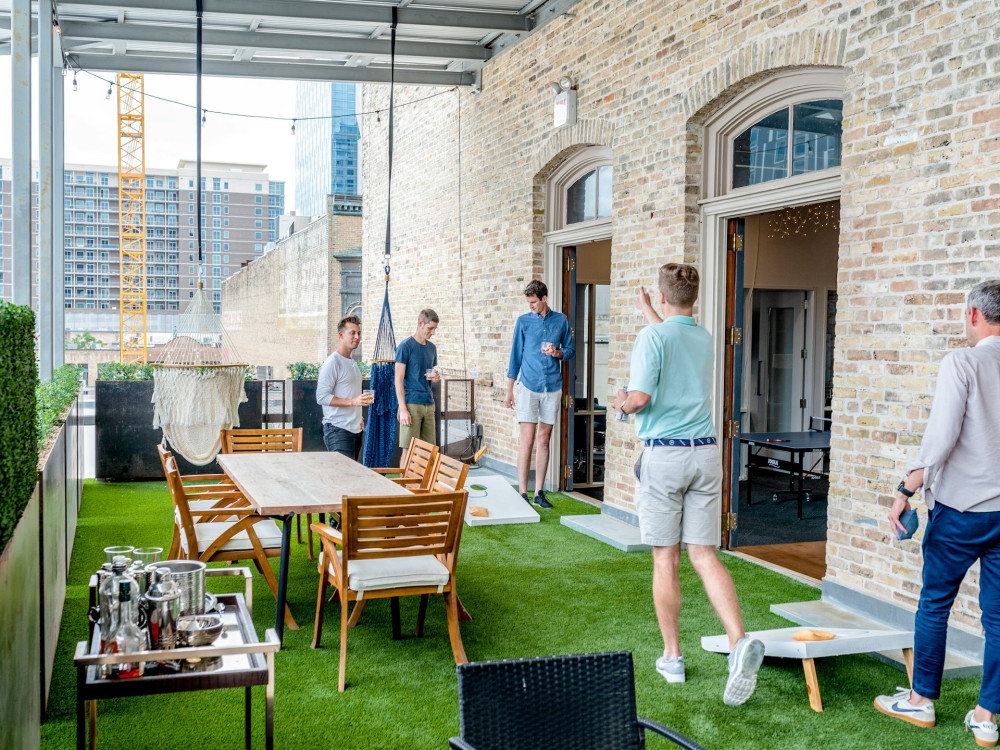
Small adjustments can make it easier to move without thinking about it. Some offices even add balance boards, under-desk bikes, or small wellness zones—but the most important thing is that movement feels natural and accessible.
Læs også:

Movement as a Mental Reset
Movement isn’t just about the body. When you get up and move, your brain gets a break too. A short walk outside or a few minutes of stretching can clear your mind and help you return to your work with renewed focus and creativity.
In a busy workday, stepping away from your desk might feel like lost time—but in reality, it’s an investment in both the quality of your work and your personal well-being.
Small Steps Toward a Healthier Workday
Creating more movement at work doesn’t require a grand plan. Start with one habit—maybe standing during meetings or taking the stairs each day. Once you feel the benefits, it becomes easier to build on that momentum.
In the end, movement at work is about balance. A workday with variety, energy, and small breaks leads not only to a healthier body but also to a more positive and productive workplace where everyone thrives.
Læs også: