The Right Timing and Format – The Key to a Successful Corporate Event


The Right Timing and Format – The Key to a Successful Corporate Event
A corporate event can be much more than a day away from the office. It can strengthen teamwork, boost motivation, and create lasting connections – but only if it’s planned with care. Two of the most important factors for success are timing and format. When is the best time to bring your team together, and what type of event fits your goals and company culture? Here’s how to find the right combination.
Choose the Timing Carefully
The timing of a corporate event has a major impact on both participation and atmosphere. An event scheduled during a busy quarter can feel like an added burden, while one held at a calmer time can be a welcome break.
- Spring is ideal for outdoor activities, team-building, and events that mark a fresh start. Many companies use this season to set goals and energize their teams for the rest of the year.
- Summer brings long days and good spirits – perfect for social gatherings like company picnics, barbecues, or volunteer days. However, vacation schedules can make it tricky to find a date that works for everyone.
- Fall is great for professional development, strategy sessions, and conferences. It’s a time when many organizations reflect on progress and plan for the year ahead.
- Winter lends itself to holiday parties and end-of-year celebrations, where the focus is on appreciation and togetherness.
The key is to choose a time when employees have the mental and practical space to participate. A good rule of thumb is to plan at least two months in advance so everyone can mark their calendars.
Læs også:

Match the Format to the Purpose
A successful corporate event starts with a clear purpose. Are you aiming to strengthen collaboration, celebrate achievements, or inspire new ideas? The format should reflect that goal.
- Team-building and collaboration: Choose activities that require teamwork – such as cooking classes, escape rooms, or outdoor challenges. The goal isn’t competition, but trust and communication.
- Professional growth: Workshops, speaker sessions, or innovation days can spark creativity and build skills. Combine learning with social interaction to keep the day balanced and engaging.
- Celebration and motivation: A festive dinner, awards ceremony, or themed event can be a powerful way to recognize effort and build morale.
- Strategy and alignment: When leadership wants to unite the organization around new goals, an internal conference or retreat can foster shared understanding and commitment.
The right format also depends on your company culture. A creative agency might thrive on informal, hands-on activities, while a more traditional organization may prefer a structured agenda.
Balance Content and Experience
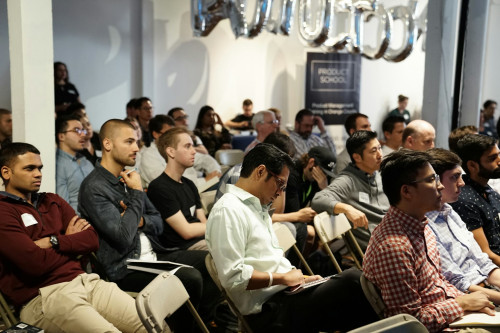
A corporate event should be both meaningful and enjoyable. Too much business content can drain energy, while a purely social focus can feel superficial. The best events strike a balance.
Start the day with a workshop or keynote that provides insight or inspiration, and end with a shared experience that allows people to relax and connect across departments. This combination builds both knowledge and relationships – two essential ingredients for a strong workplace culture.
Don’t Overlook Logistics and Communication
Even the best concept can fall flat if logistics are overlooked. Make sure transportation, catering, and scheduling are well thought out. Also, consider how you communicate the event internally. A clear and engaging invitation that explains the purpose and builds excitement can make a big difference in participation.
After the event, gather feedback. What worked well? What could be improved next time? Showing that you value employees’ input not only helps you plan better events but also reinforces a culture of inclusion and respect.
The Right Timing and Format Create Lasting Value
A corporate event isn’t just a single day – it’s an investment in your company’s culture. When timing and format align, the experience becomes both relevant and inspiring. It strengthens relationships, boosts engagement, and gives employees a sense of shared direction.
So next time you plan an event, don’t just ask what you’ll do – ask when and why. That’s where the key to a truly successful corporate event lies.
Læs også: