Cooking Class for Beginners: What to Expect – and How to Make the Most of the Experience


Cooking Class for Beginners: What to Expect – and How to Make the Most of the Experience
A cooking class is a great way to feel more confident in the kitchen—whether you dream of mastering classic dishes, learning new techniques, or simply finding more joy in cooking. For many, it’s also a social experience where you meet others who share your curiosity and leave with fresh inspiration for everyday meals. Here’s what you can expect from a beginner cooking class—and how to make the most of it.
What Happens in a Cooking Class?
A typical beginner cooking class lasts a couple of hours and takes place in a teaching kitchen, where participants work in small groups. An experienced chef or instructor guides you through the recipes, demonstrates techniques, and shares tips along the way.
Classes can have many different themes—from basic cooking skills and weeknight dinners to specific cuisines like Italian, Thai, or plant-based cooking. Some focus on techniques such as knife skills, sautéing, or baking, while others emphasize flavor pairing and meal planning.
You’ll usually get to taste everything that’s prepared, and many classes end with a shared meal where everyone sits down to enjoy the results together.
Getting Ready: Come as You Are—But with an Open Mind
You don’t need any special skills to join a beginner class. The most important thing is to show up ready to learn and try new things.
Still, a little preparation can help you get the most out of the experience:
- Read the class description carefully so you know the theme and whether you need to bring anything.
- Wear comfortable, practical clothing that you don’t mind getting a few stains on—and closed-toe shoes for safety.
- Arrive a few minutes early to get settled, meet the instructor, and chat with your classmates.
A cooking class isn’t about perfection—it’s about learning. Mistakes are part of the process, and often the best lessons come from them.
How to Make the Most of the Experience
A cooking class can offer much more than just new recipes. Here are a few ways to get the full benefit:
- Ask questions. The instructor is there to help, and no question is too small.
- Be curious. Try ingredients you’ve never used before and taste as you go—that’s how you develop your palate.
- Work as a team. Cooking is often collaborative, and you can learn a lot by watching how others approach tasks.
- Take notes. Jot down small tips and techniques so you can use them at home.
- Enjoy the atmosphere. Cooking classes are social by nature—many people make new friends over the cutting board.
Læs også:



What You’ll Learn—and Take Home
After a beginner class, you’ll typically walk away with:
- Basic techniques like chopping vegetables, cooking meat properly, and making simple sauces.
- A better sense of timing—how to plan a meal so everything is ready at once.
- An understanding of how to balance flavors: sweet, salty, sour, and bitter.
- Ideas for reducing food waste by using leftovers creatively.
Many classes send you home with printed recipes or digital copies, so you can recreate the dishes in your own kitchen. That’s when the real learning happens—when you try it again on your own.
Cooking as a Shared Experience
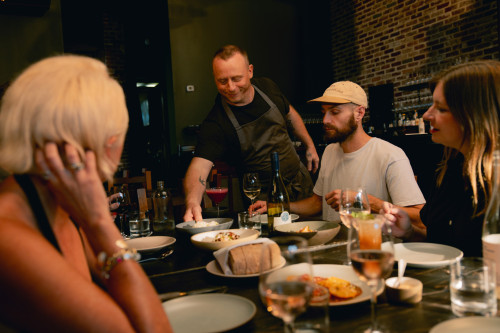
A cooking class isn’t just for those who want to improve their skills—it’s also for anyone who wants to share a fun, hands-on experience. Some people attend with a friend, partner, or coworker, but it’s just as common to come alone. The atmosphere is usually relaxed and friendly, and it’s easy to strike up a conversation while chopping vegetables or stirring a sauce.
For some, the class sparks a new hobby; for others, it’s simply an enjoyable evening filled with good food and laughter. Either way, you’ll leave with inspiration, confidence, and maybe even a new appreciation for home cooking.
An Investment in Everyday Joy
Ultimately, taking a cooking class is about more than learning recipes. It’s about building a better relationship with food—seeing cooking as something creative, rewarding, and even relaxing. Once you discover how satisfying it can be to make a meal from scratch, it’s easier to bring that positive energy into your daily routine.
So whether you dream of making your own pasta, baking crusty bread, or just feeling more at ease in the kitchen, a beginner cooking class is a great place to start. It’s an experience that nourishes both your skills and your spirit.
Læs også: