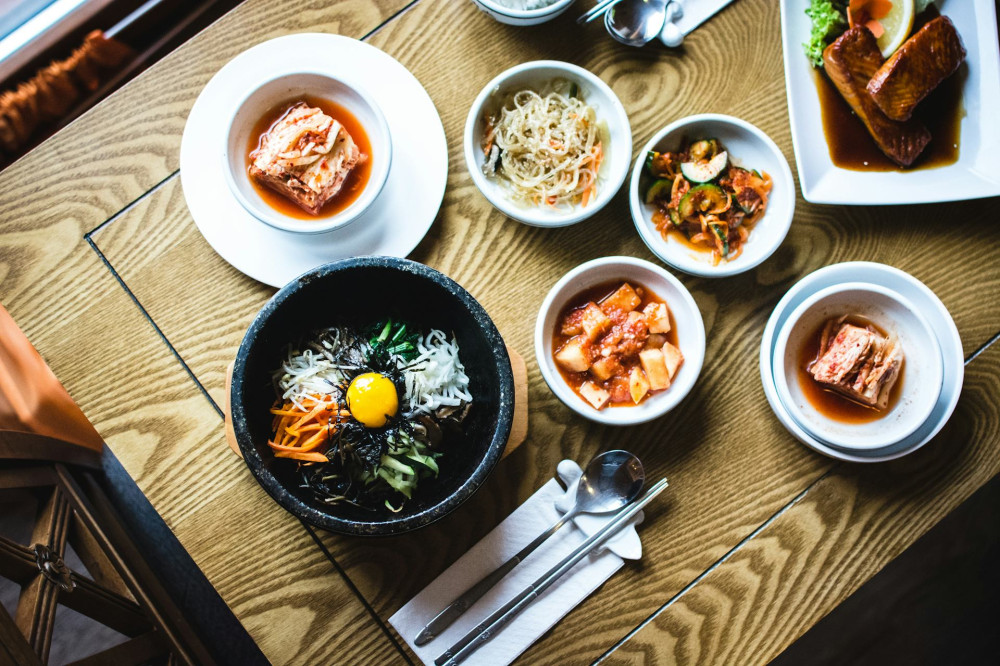
Food as a Marker of Life: What Our Meals Reveal About Culture and Community

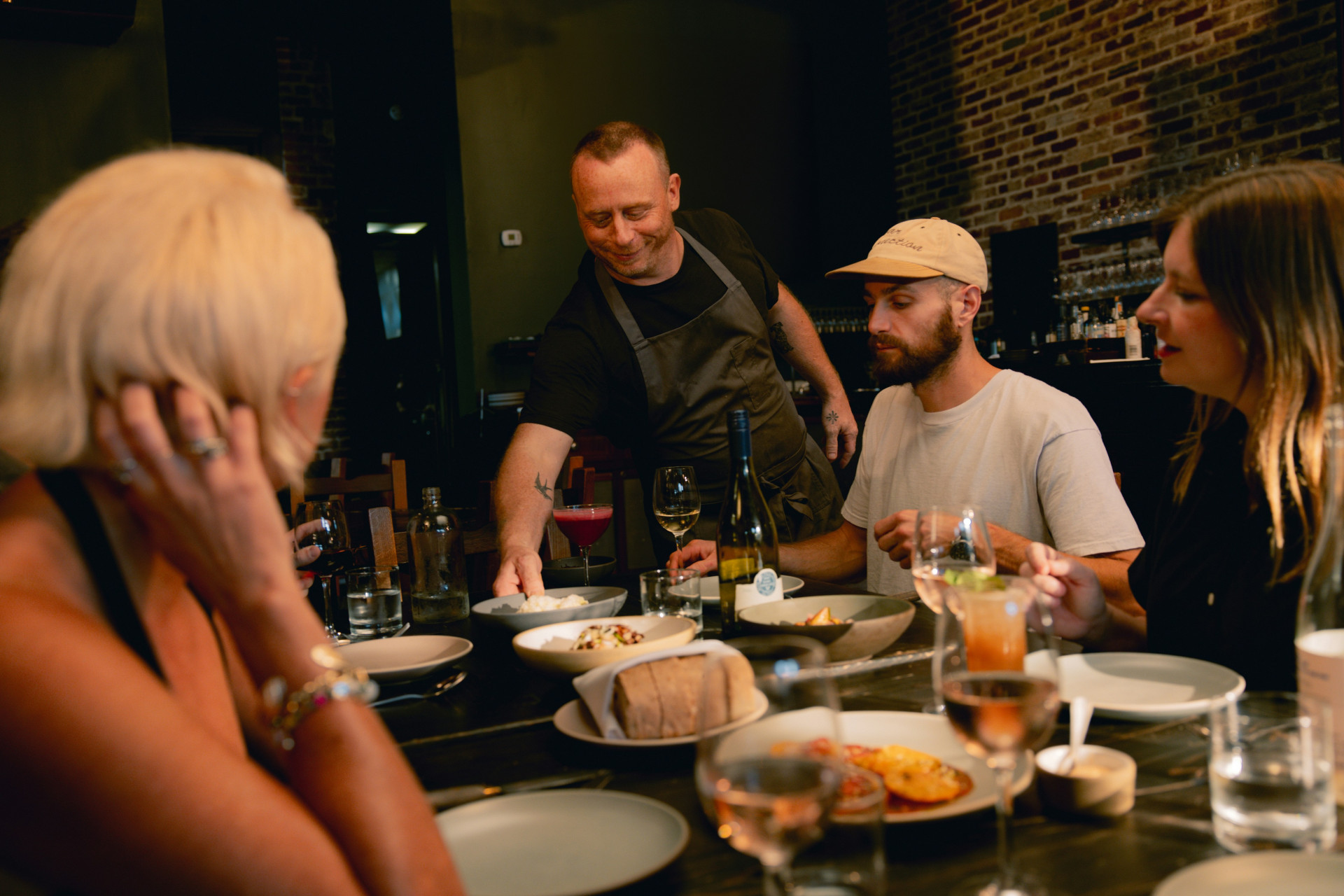
Food as a Marker of Life: What Our Meals Reveal About Culture and Community
Food is more than sustenance. It tells a story about who we are, where we come from, and how we live together. Every meal—from a quick lunch at the office to a Thanksgiving feast—carries traces of tradition, values, and social connection. When we sit down to eat, we take part in a ritual that links us to both our past and to one another.
The Meal as a Reflection of Culture
What we eat, and how we eat, says a great deal about our culture. In the United States, the diversity of our meals mirrors the diversity of our people. A Southern barbecue, a New England clam bake, or a California farmers’ market brunch each tells a different story about place, history, and community. In the South, slow-cooked meats and shared sides speak of hospitality and patience. In the Midwest, potlucks and casseroles reflect a spirit of practicality and togetherness. On the coasts, fusion cuisine celebrates openness to new ideas and global influences.
These differences remind us that food is not just about taste—it’s about identity. When we cook family recipes, celebrate holidays with traditional dishes, or choose local ingredients, we carry forward cultural narratives that reach far beyond the kitchen.
Gathering Around the Table
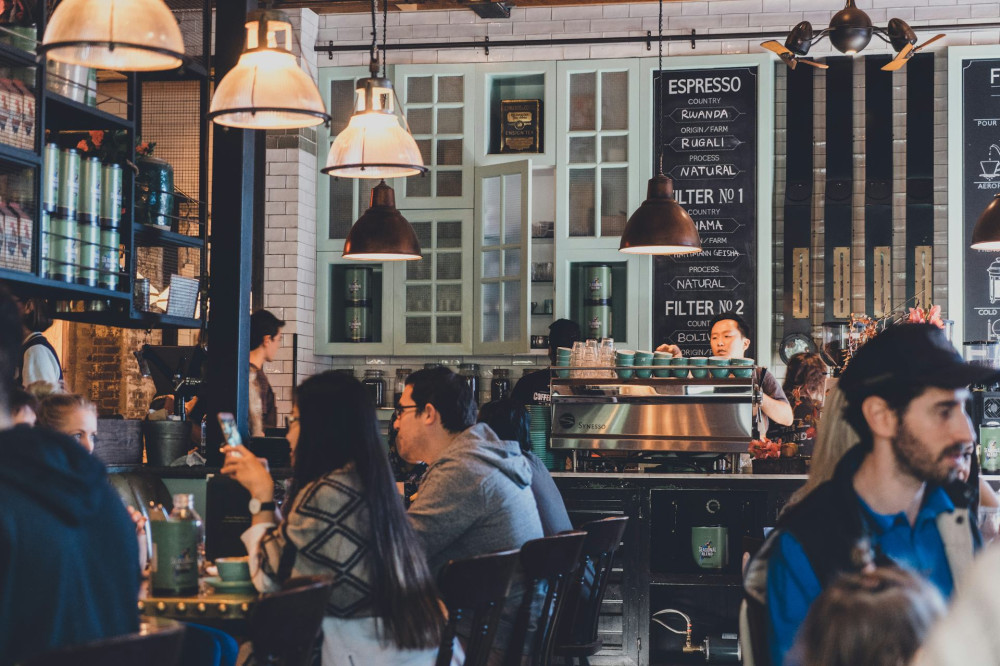
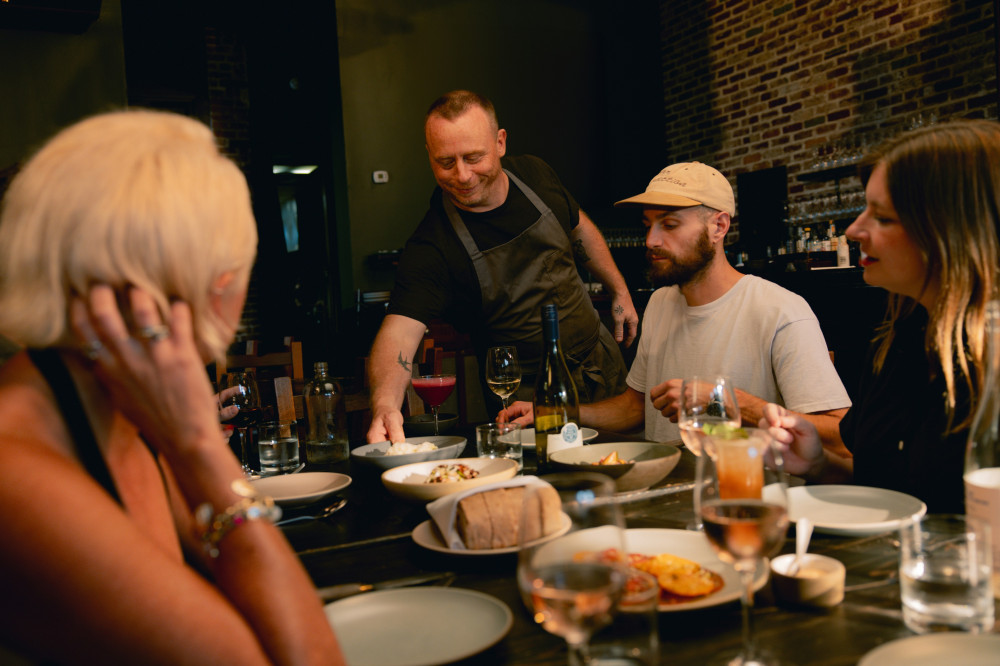
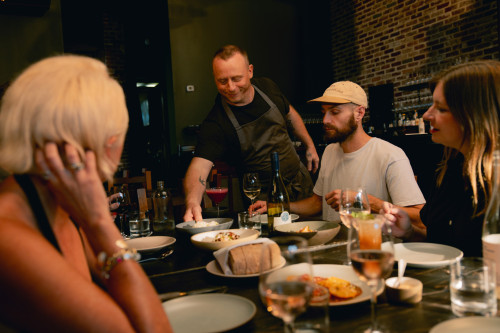
The table is one of the most fundamental social spaces we have. It’s where families reconnect after a busy day, where friends celebrate milestones, and where communities come together in times of joy or need. For many Americans, the family dinner remains a cherished ritual—a pause in the day that anchors relationships and routines.
Community meals, church suppers, and neighborhood cookouts continue this tradition on a larger scale. They remind us that sharing food is one of the simplest and most powerful ways to build connection. Research has shown that eating together can strengthen bonds and improve well-being. When we share a meal, we share more than food—we share time, stories, and emotion.
Globalization and the Changing American Plate
Today, our food culture is more global than ever. Sushi, tacos, and curry are as common as burgers and fries. Supermarkets stock ingredients from every corner of the world, and social media spreads culinary trends at lightning speed. Globalization has expanded our palates and made it easier to explore new flavors and traditions.
At the same time, there’s a growing movement toward local, sustainable, and seasonal eating. Farmers’ markets, community-supported agriculture, and farm-to-table restaurants reflect a desire to reconnect with the land and the people who grow our food. This balance between the global and the local shows that food culture is always evolving—a blend of heritage and innovation.
Food, Identity, and Belonging
For many Americans, food is deeply tied to identity—national, regional, and personal. A slice of apple pie might evoke national pride, while a bowl of gumbo or a plate of tamales can carry generations of family history. For immigrants and their descendants, food often serves as a bridge between old and new worlds—a way to preserve cultural roots while adapting to a new home.
Food also reflects change. Younger generations reinterpret traditional dishes, experiment with plant-based alternatives, and use food to express values around health, environment, and inclusion. In this way, food becomes a language through which we tell the story of who we are—and who we aspire to be.
Food as a Universal Language
No matter where we come from, we all share the experience of eating together. Food is a universal language that can bridge divides and foster understanding. A shared table can bring people together across differences, because taste and aroma speak directly to the senses—no translation required.
That’s why food plays such an important role in diplomacy, community building, and cultural exchange. When we invite someone to share a meal, we open not only our kitchen but also our culture and our hearts.
Læs også:

Food as a Marker of Life
From baby showers to weddings and memorials, food accompanies us through every stage of life. It marks transitions, celebrates milestones, and offers comfort in difficult times. A meal can be an act of love, a symbol of unity, or a gesture of remembrance. In this sense, food is not merely a necessity—it is a marker of life’s rhythm.
When we recognize the cultural and social meaning of what we eat, we see that food tells a story far richer than what appears on the plate. It tells the story of us—as individuals, as communities, and as part of a larger human tapestry.
Læs også: