Taste, Texture, and Temperature – The Key to the Perfect Balance in Gourmet Cuisine

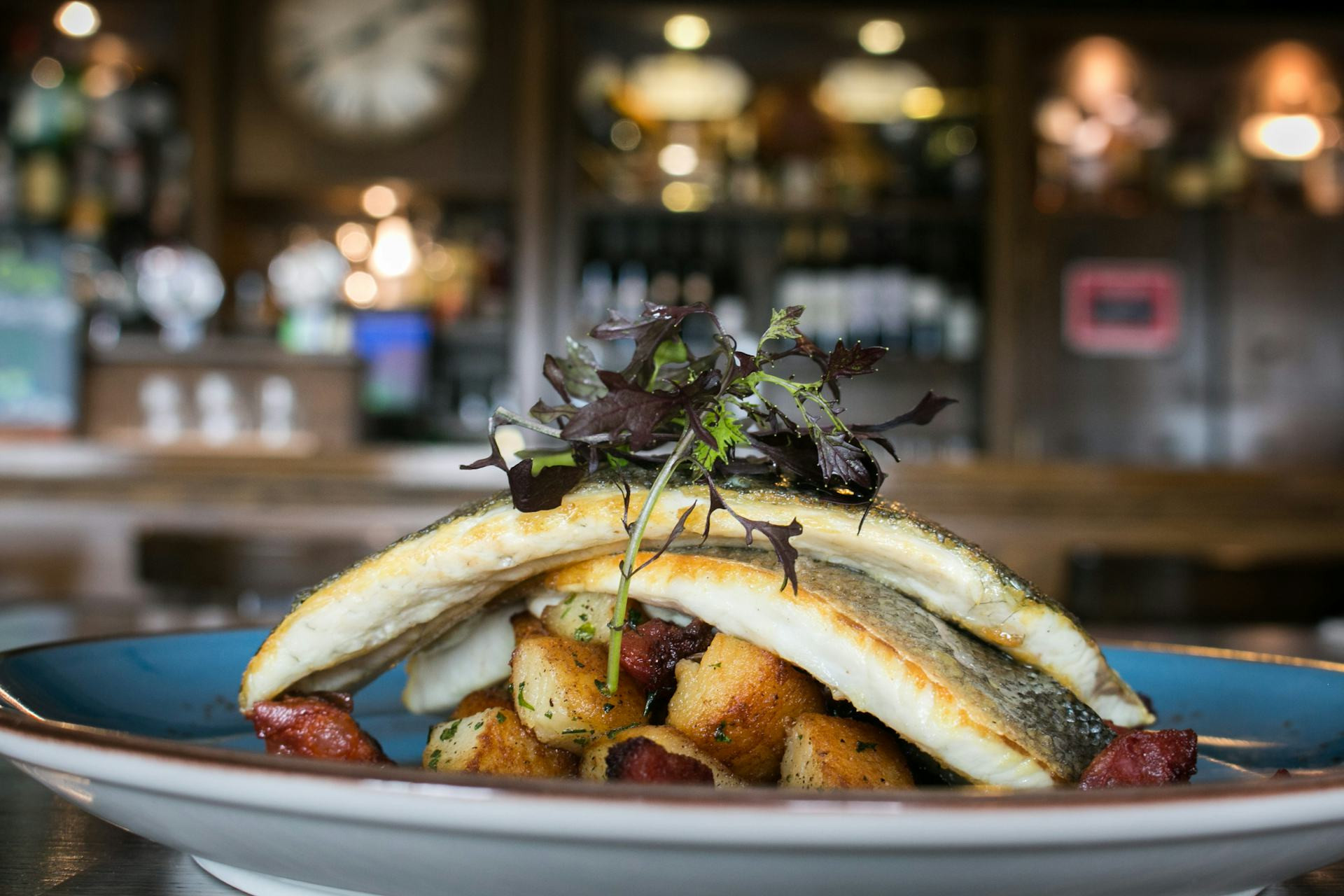
Taste, Texture, and Temperature – The Key to the Perfect Balance in Gourmet Cuisine
When a dish truly hits the mark, it’s rarely by chance. Behind every perfect bite lies a harmony of taste, texture, and temperature — three elements that together create the experience separating a good meal from an unforgettable one. In gourmet cuisine, balancing these factors is an art form, where even the smallest adjustment can transform the entire dish.
Taste – The Foundation of Flavor
Taste is the first thing we think of when we talk about food, but it’s only one part of the whole. The five basic tastes — sweet, sour, salty, bitter, and umami — form the foundation, but it’s the balance between them that creates harmony.
A well-composed dish plays with contrasts: sweetness can highlight saltiness, acidity can cut through richness, and a touch of bitterness can add depth. Skilled chefs use these opposites deliberately. Think of a buttery sauce brightened with a squeeze of lemon or a drizzle of vinegar — suddenly, the dish feels lighter and more complex.
Taste is also about timing. A sauce that simmers a few minutes longer develops deeper notes, while a sprinkle of fresh herbs at the end can lift the entire flavor profile. This precision is what allows a dish to feel both intense and balanced at once.
Texture – The Sensory Experience
While taste speaks to the tongue, texture speaks to the senses. It’s about how food feels when we bite into it — crisp, creamy, tender, or chewy. Variation in texture creates excitement and keeps us coming back for the next bite.
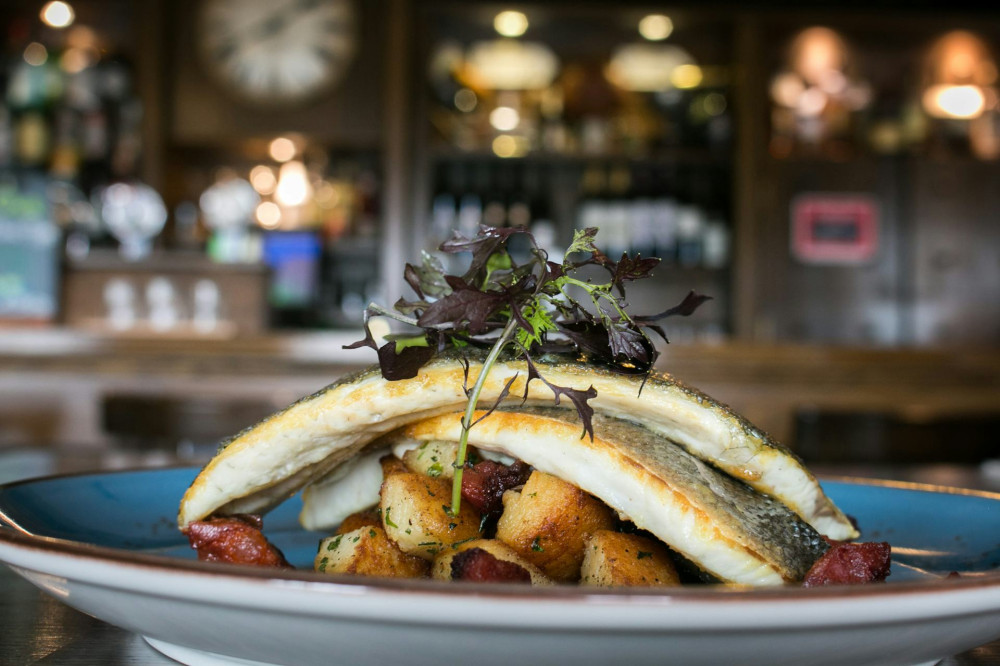
Imagine a crunchy crust giving way to a soft interior, or a silky purée paired with a piece of meat that has just the right amount of resistance. These contrasts bring a dish to life. In fine dining, chefs often use techniques like caramelization, foaming, dehydration, and sous vide to achieve the perfect structure.
Texture can also surprise. A chilled, airy vegetable mousse or a crisp chip made from salmon skin can give familiar ingredients a completely new expression. This is where creativity truly shines.
Temperature – The Invisible Factor
Temperature may be the most underestimated part of the dining experience, yet it has a huge impact on how we perceive both taste and texture. A dish served too hot can lose its subtlety, while one served too cold can feel dull.
In gourmet cooking, temperature is used intentionally to shape the experience. A warm sauce can enhance aromas, while a cold element can add contrast and freshness. Many chefs play with temperature differences within the same dish — a hot soup topped with a cool garnish, or a warm dessert paired with ice cream.
It’s not just about technique, but also about timing. Serving a dish at the precise moment when its temperature is optimal requires both experience and intuition.
When the Three Elements Come Together
The perfect balance emerges when taste, texture, and temperature work together like an orchestra. A dish with deep umami, a crisp exterior, and just the right warmth can evoke an almost emotional response in the diner.
For the chef, it’s about understanding how these three elements influence one another. A change in texture might require an adjustment in flavor, and a shift in serving temperature can alter how aromas are perceived. This constant fine-tuning is what makes gourmet cooking a craft — and an experience that engages all the senses.
Læs også:


Bringing Balance into Your Own Kitchen
Even though gourmet techniques can seem advanced, you can easily apply these principles at home.
- Build flavor in layers: Add acidity, salt, and sweetness gradually, tasting as you go.
- Think in contrasts: Pair crisp with soft, warm with cool.
- Mind the serving temperature: A few degrees can make a big difference.
- Use texture as a tool: A handful of toasted nuts or a sprinkle of crispy herbs can elevate a dish instantly.
When you start thinking of food as a balance between taste, texture, and temperature, a new world of possibilities opens up — whether you’re cooking a weeknight dinner or hosting a gourmet evening at home.
Læs også: